Business travel is essential for many companies—but managing business travel expenses can quickly get complicated.
From flights to meals and everything in between, costs can add up fast if there’s no clear structure in place. The key is understanding what counts as a travel expense—and how to manage it efficiently.
What Are Business Travel Expenses?
Simply put, business travel expenses are the costs employees incur while traveling for work.
These typically include:
- Transportation (flights, trains, taxis, rental cars)
- Accommodation (hotels or short-term stays)
- Meals and daily expenses
- Local transport during the trip
- Miscellaneous costs (Wi-Fi, parking, event fees)
These are considered “ordinary and necessary” costs tied to business travel.
Why Managing Travel Expenses Matters
Without proper control, travel spending can easily get out of hand.
Managing corporate travel expenses effectively helps:
- Keep budgets under control
- Improve financial visibility
- Reduce errors and fraud
- Simplify reimbursements for employees
When done right, it also improves the overall travel experience—employees spend less time worrying about receipts and more time focusing on their work.

Which Travel Expenses Are Tax-Deductible?
Not all expenses qualify—but many do, as long as the trip is primarily for business and requires you to stay overnight.
Common deductible business travel expenses include:
- Flights and transportation to your destination
- Hotel stays
- Meals (within reasonable limits)
- Business-related calls and internet
- Laundry, tips, and other necessary costs
The key rule: expenses must be directly related to your work and not personal.
Best Practices for Managing Business Travel Expenses
Managing travel costs doesn’t have to be complicated. A few simple practices can make a big difference:
Plan Ahead
Booking early often means better rates and fewer last-minute costs.
Set Clear Policies
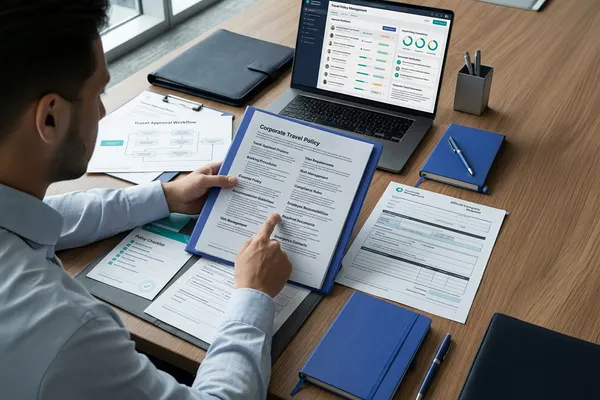
A clear travel and expense policy helps employees understand what’s allowed and keeps spending consistent.
Track Everything
Keeping receipts and records ensures accurate reporting and easier reimbursements.
Stay Flexible
Having flexible options can help you adapt when plans change—without unnecessary costs.
Final Thoughts
Business travel expenses are a necessary part of doing business—but they don’t have to be difficult to manage.
With the right structure, clear policies, and a bit of planning, you can stay in control of your costs while still supporting productive, efficient trips.