At first glance, travel is just travel. But when you compare business travel vs. leisure travel, the differences are pretty clear—especially in how trips are planned, experienced, and evaluated.
Whether you’re traveling for work or taking time off, understanding these differences can help you plan better and get more out of every trip.
Purpose: Work vs. Personal Time
The biggest difference comes down to why you’re traveling.
Business travel is goal-driven. You’re traveling to meet clients, attend conferences, or close deals. Every part of the trip is tied to a professional objective.
Leisure travel, on the other hand, is about relaxation and enjoyment. There’s no pressure to perform—just time to explore, unwind, and experience something new.
Planning and Flexibility
Planning looks very different depending on the type of trip.
With business travel, schedules are tight and often planned in advance. Meetings, flights, and accommodations are all coordinated to maximize efficiency. There’s usually less flexibility to make spontaneous changes.
With leisure travel, you have more freedom. You can adjust plans, explore at your own pace, and build your itinerary around what you feel like doing.
Costs and Expenses
Another key difference is how expenses are handled.
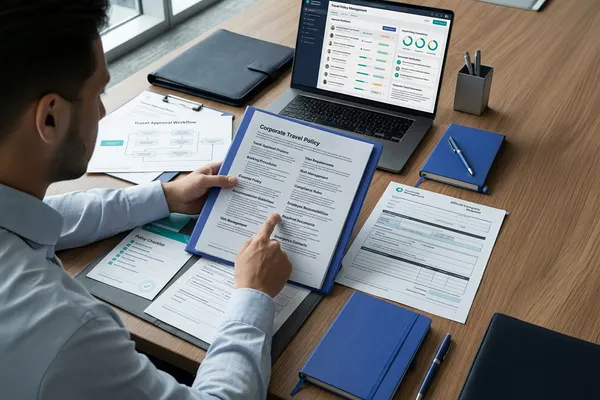
For business travel, costs are typically covered by a company and often follow a structured budget or travel policy. Expense tracking and reporting are part of the process.
For leisure travel, you’re managing your own budget. That usually means more flexibility in how much you spend—but also more responsibility.
Experience and Mindset
The experience itself also feels very different.
During a business trip, your schedule revolves around work. Even downtime is limited, and you’re often thinking about meetings, deadlines, or follow-ups.
With leisure travel, the focus shifts completely. You can slow down, enjoy your surroundings, and disconnect from work.
Bleisure Travel: A Mix of Both
In recent years, “bleisure travel” (business + leisure) has become more common.
Many travelers are extending work trips to include personal time—turning a business obligation into a more enjoyable experience. It’s a practical way to balance productivity with relaxation.
Final Thoughts
While both types of travel involve getting from one place to another, the intent behind them changes everything.
Business travel is structured, goal-oriented, and time-sensitive.
Leisure travel is flexible, personal, and experience-driven.
Knowing the difference helps you plan smarter—whether you’re preparing for a meeting or a vacation.